99爱在线视频这里只有精品_窝窝午夜看片成人精品_日韩精品久久久毛片一区二区_亚洲一区二区久久

合肥生活安徽新聞合肥交通合肥房產(chǎn)生活服務(wù)合肥教育合肥招聘合肥旅游文化藝術(shù)合肥美食合肥地圖合肥社保合肥醫(yī)院企業(yè)服務(wù)合肥法律

代做CNSCC.361、代寫MATLAB編程設(shè)計(jì)

時(shí)間:2024-05-14  來源:合肥網(wǎng)hfw.cc  作者:hfw.cc 我要糾錯(cuò)


CW Assignment CNSCC.361
AI
CNSCC.361 Artificial Intelligence Coursework
Introduction:
Marking Scheme
20% of the mark for the CNSCC.361 module is based on the coursework.
At the end of this document, there is an Appendix providing suggestions for a well written
report.
Submission
Put your codes in separate folders (“cw_task1” for task1 and “cw_task2” for task2)
and call the overall zipped file “cw_lastname_firstname.zip” (replace lastname and
firstname with your names). Submit your “cw_lastname_firstname.zip” file and your
report on Moodle.
The length of the report should not exceed 5 pages (the format is specified at the
end of this document – two column, minimum font size 10pt). It is important to
note that we do not want separate reports. There has to be one report.
CW Assignment CNSCC.361
AI
Task 1
This task of the assignment requires you to perform pre-processing of the real climate data
set (temperature and wind speed) measured in Manchester, UK for the period 2010–2015
provided in the file “ClimateData.csv”. This data is a subset of publically available (from
http://www.worldweatheronline.com) data about climate at Manchester which contain 938
records and five features (i.e., five dimensional vectors) of data from the Summer and the
Winter seasons of the period from 2010 to 2014. The meaning of each column of data is
listed below:
Temperature, oC Wind speed, mph Wind direction, deg Precipitation, mm Humidity, %
Recall from the Lectures and the Lab sessions, the main pre-processing steps:
i) normalization,
ii) standardization,
iii) anomaly detection.
Explain clearly the work of the algorithms, analyze their advantages and disadvantages,
provide the code that you developed (do not use downloaded code from elsewhere and be
aware about the plagiarism policy of the University) and the results.
From the literature you may find other pre-processing algorithms (e.g. recursive density
estimation, PCA, etc.) which you can also mention in your analysis and/or use. For these
additional (optional) algorithms you can use available code assuming you correctly make a
reference to it; however, demonstrating the understanding of it is necessary. These
additional/optional algorithms are for distinguishing between good, average and excellent
reports.
Task 2
The Traveling Salesman Problem (TSP) is one of the most famous problems in computer
science. Here we describe the problem and you will implement a Genetic Algorithm (GA)
to find a solution, and show and analyse your results. These are to be done in MATLAB.
GA has been introduced and discussed as part of a lecture. There was also a lab about
GA to give you an initial understanding of the GA approach, but this Task will be applying
GA to a different problem than the one in the lab.
TSP consists of attempting to find the shortest complete tour through a series of points
(cities), starting and ending with the same point (see Figure 1). Finding the shortest route
that visits a set of locations is an exponentially difficult problem: finding the shortest path
for 20 cities is much more than twice as hard as 10 cities. An exhaustive search of all
possible paths would be guaranteed to find the shortest, but is computationally intractable
for all but small sets of locations. For larger problems, optimization techniques, such as
GA, are needed to intelligently search the solution space and find near-optimal solutions.
CW Assignment CNSCC.361
AI
Mathematically, traveling salesman problem can be represented as a graph, where the
locations are the nodes and the edges (or arcs) represent direct routes between the nodes.
The weight of each edge is the distance between the nodes. It is a minimization problem
starting and finishing at a specified vertex after having visited each other vertex exactly
once. The goal is to find the path with the shortest sum of weights. Below, we see a simple
five-node graph:
Figure ** Shortest route example: the problem lies in finding a minimal path passing from all vertices once. For
example the path Path1 {A, B, C, D, E, A} and the path Path2 {A, B, C, E, D, A} pass all the vertices but Path1 has a
total length of 24 and Path2 has a total length of 31.
In this task, you will be given the (x,y) location of 100 cities in “xy.mat” file. So, each
population member (chromosome) will have 100 gens.
Finding a solution to the travelling salesman problem requires that you set up a genetic
algorithm in a specialized way. For instance, a valid solution need to represent a route
where every location is included at least once and only once. If a route contain a single
location more than once, or missed a location out completely it would not be valid. To
ensure the genetic algorithm does indeed meet this requirement special types of mutation
and crossover methods are needed. Firstly, the mutation method should only be capable
of shuffling the route, it shouldn't ever add or remove a location from the route, and
otherwise it would risk creating an invalid solution. Question: What type of mutation? For
each selected population member, try three different mutation operators (Swap, Flip and
Slide) to generate three new population members. With swap mutation two location in the
route are selected at random then their positions are simply swapped. For example, if we
apply swap mutation to the following list, [1,2,3,4,5,6,7,8,9] we might end up with,
[1,2,5,4,3,6,7,8,9]. Here, positions 3 and 5 were switched creating a new list with exactly
the same values, just a different order. Because swap mutation is only swapping preexisting values, it will never create a list which has missing or duplicate values when
compared to the original, and that's exactly what we want for the traveling salesman
problem. With Flip mutation two locations in the route are selected at random, and then,
the positions between two locations are simply flipped. For example, given two randomly
selected locations 3 and 7, if we apply swap mutation to the following list [1,2,3,4,5,6,7,8,9],
we end up with [1,2,7,6,5,4,3,8,9]. Moreover, if we apply slide mutation to the list
[1,2,3,4,5,6,7,8,9], we end up with [1,2,4,5,6,7,3,8,9]. You also need to pick a crossover
method which can enforce the same constraint. What type of crossover? Ordered
crossover.
CW Assignment CNSCC.361
AI
Implement Genetic Algorithm
Your main task is to implement with MATLAB a genetic algorithm that attempts to find a
near-optimal solution. You cannot use MATLAB's “ga” function, so you have to implement
something similar to what you did in the lab.
Your algorithm should make use of crossover and mutation as described above. Begin
with an initial population of at least 50 members and then increase to 200 members (start
with 50 members, then try 100, 150 and 200 members). Run your algorithm for at least
1000 generations/iterations and then increase to 10000 (start with 1000 generations, then
try 2000, 4000, 6000, 8000, and 10000 generations/iterations). Choose the best ones.
You will need to make many design decisions on how to implement the algorithm and what
parameter values to use. For example, you could try different selection methods including
roulette-wheel selection, ranking selection and tournament selection to see which one is
better. Submit the best algorithm. Your mark will depend not only on the code that you
write but also on how well you document your design decisions. In your report, you should
also answer the following questions:
What was the fitness score of the most-fit individual in the first generation? What was
the fitness score of the most-fit individual in the last generation? Plot the fitness score of
the most-fit individual in each generation.
What path did the most-fit individual in the final generation take through the cities? Run the
following code to visualize the path of the most-fit individual in the last generation.
figure('Name','TSP_GA | Results','Numbertitle','off');
subplot(2,2,1);
pclr = ~get(0,'DefaultAxesColor');
plot(xy(:,1),xy(:,2),'.','Color',pclr);
title('City Locations'); subplot(2,2,2);
rte = optRoute([1:100 1]);
plot(xy(rte,1),xy(rte,2),'r.-');
title(sprintf('Total Distance = %1.4f',minDist));
Note that “xy” variable is a 100 × 2 matrix consisting of the (x,y) location of 100 cities
and optRoute variable (integer array) is the best route found by the algorithm (i.e., the
most-fit individual in the final generation). optRoute is 1 × 100 vector. This code will show
a figure as shown below but the connections between cities and total distance might be
different.
CW Assignment CNSCC.361
AI
What was the string of 100 digits of the most-fit individual in the final generation?
Run the algorithm 10 times. Does the fitness score of the most-fit individual in the last
generation change? If so, why?
Run the algorithm using tournament selection, without cross-over operator and using all
three mutation operators (swap, flip and slide) with population of 100 members. Run your
algorithm for 10000 generations/iterations. What was the fitness score of the most-fit
individual in the last generation? Run the above mentioned code to visualize the path of
the most-fit individual in the last generation.
The coursework will be marked based on:
• Code efficiency
• Code commenting and writing style
• Presentation and writing of the report
• Critical Understanding
• Research and Results
• Use of Literature
• Conclusion and Analysis
CW Assignment CNSCC.361
AI
Appendix
Requirements for a Well Written Report
The report should contain:
1. Title, name, student number, course, etc., followed by an abstract.
2. Main part: Introduction, review of the state of the art. The description of the
algorithm and how it performs, including showing results with images. For instance:
“This report describes development and application of the k-means clustering
algorithm to image processing data…” Give the software code that you used to
obtain the results in an Appendix. A very important part of your report is the
analysis of the results. For instance, what are the advantages and limitations of the
algorithms that you used? How can you characterize the results? Are they
accurate?)
3. Conclusions: should describe briefly what has been done, with a summary of
the main results and outline of the possible future work.
The objective of the assignment is to conduct data analysis on a set of data, and present
conclusions on the results.

請加QQ:99515681  郵箱:99515681@qq.com   WX:codinghelp


掃一掃在手機(jī)打開當(dāng)前頁
  • 上一篇:代寫CPT206、代做Java編程設(shè)計(jì)
  • 下一篇:COMP3013代做、代寫Python設(shè)計(jì)編程
  • 無相關(guān)信息
    合肥生活資訊

    合肥圖文信息
    2025年10月份更新拼多多改銷助手小象助手多多出評軟件
    2025年10月份更新拼多多改銷助手小象助手多
    有限元分析 CAE仿真分析服務(wù)-企業(yè)/產(chǎn)品研發(fā)/客戶要求/設(shè)計(jì)優(yōu)化
    有限元分析 CAE仿真分析服務(wù)-企業(yè)/產(chǎn)品研發(fā)
    急尋熱仿真分析?代做熱仿真服務(wù)+熱設(shè)計(jì)優(yōu)化
    急尋熱仿真分析?代做熱仿真服務(wù)+熱設(shè)計(jì)優(yōu)化
    出評 開團(tuán)工具
    出評 開團(tuán)工具
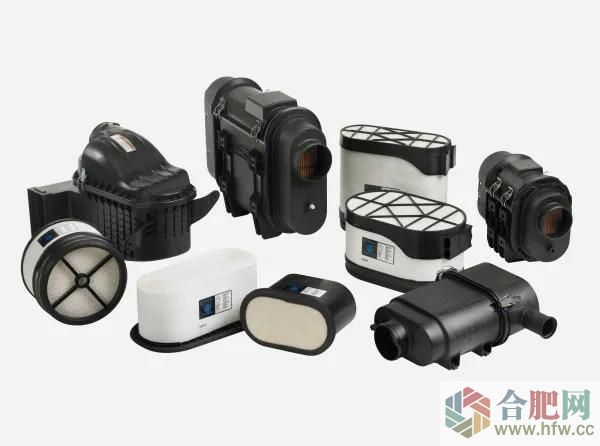
    挖掘機(jī)濾芯提升發(fā)動(dòng)機(jī)性能
    挖掘機(jī)濾芯提升發(fā)動(dòng)機(jī)性能
    海信羅馬假日洗衣機(jī)亮相AWE  復(fù)古美學(xué)與現(xiàn)代科技完美結(jié)合
    海信羅馬假日洗衣機(jī)亮相AWE 復(fù)古美學(xué)與現(xiàn)代
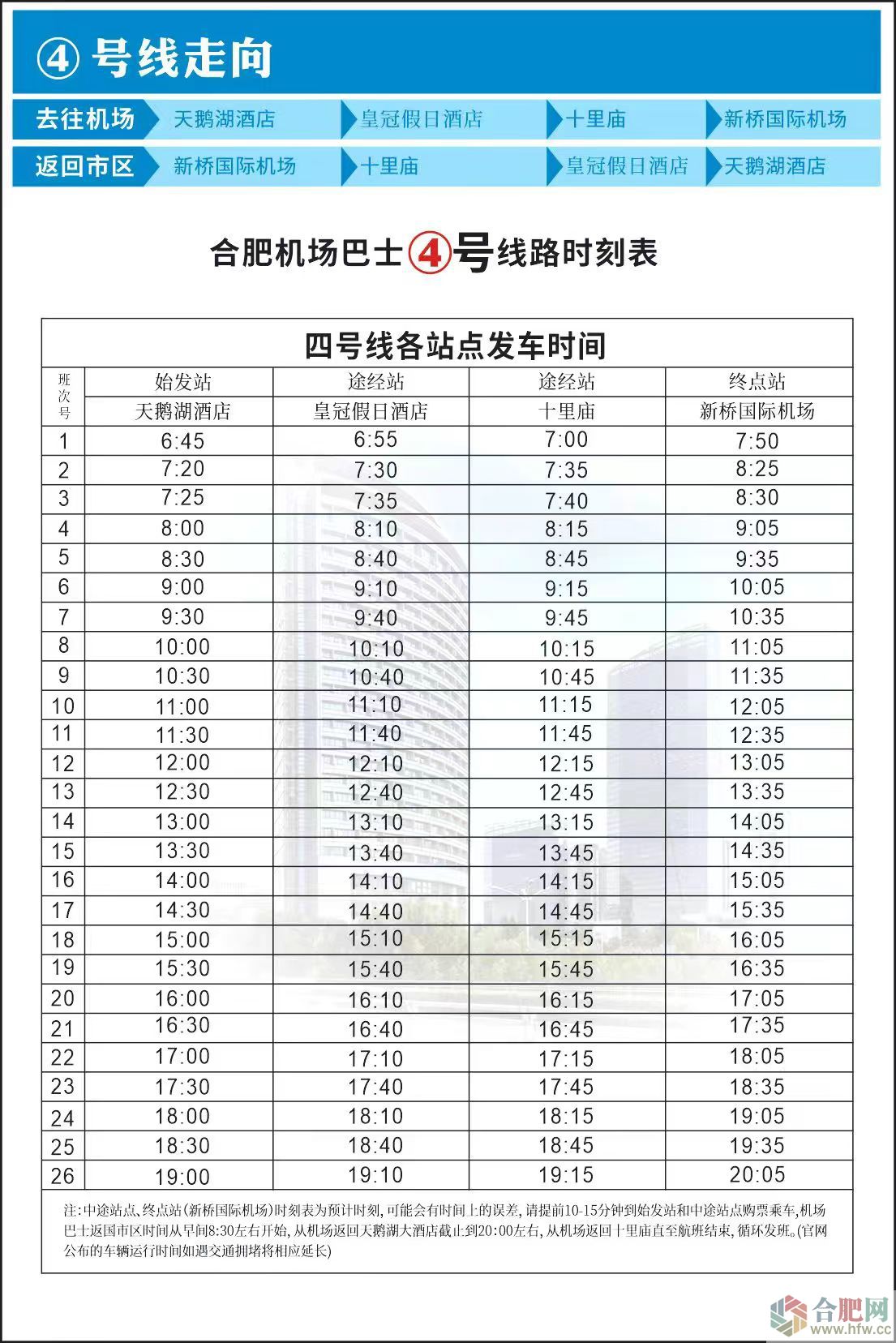
    合肥機(jī)場巴士4號線
    合肥機(jī)場巴士4號線
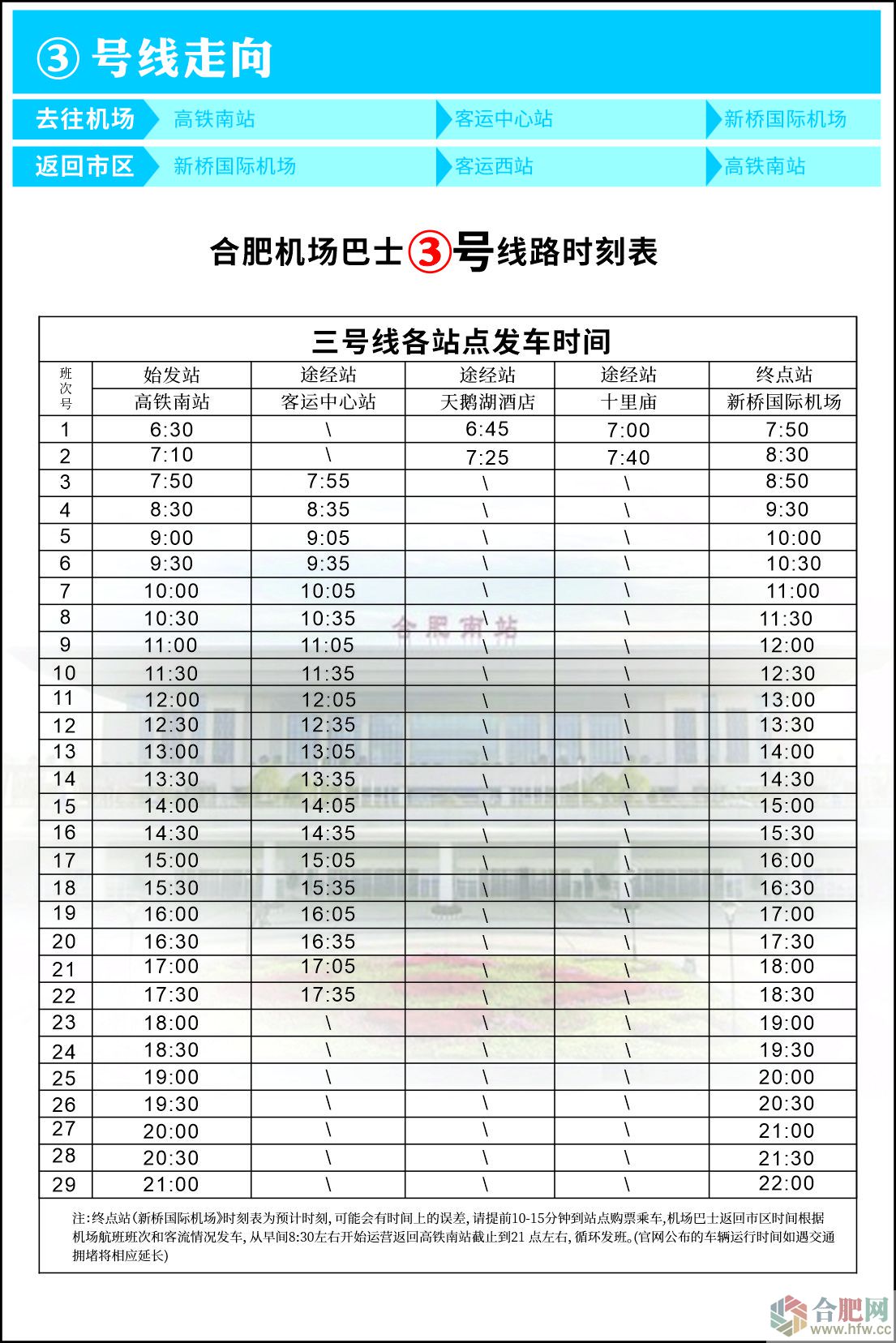
    合肥機(jī)場巴士3號線
    合肥機(jī)場巴士3號線
  • 短信驗(yàn)證碼 目錄網(wǎng) 排行網(wǎng)

    關(guān)于我們 | 打賞支持 | 廣告服務(wù) | 聯(lián)系我們 | 網(wǎng)站地圖 | 免責(zé)聲明 | 幫助中心 | 友情鏈接 |

    Copyright © 2025 hfw.cc Inc. All Rights Reserved. 合肥網(wǎng) 版權(quán)所有
    ICP備06013414號-3 公安備 42010502001045

    99爱在线视频这里只有精品_窝窝午夜看片成人精品_日韩精品久久久毛片一区二区_亚洲一区二区久久

          9000px;">

                欧美精品一区二区三区久久久 | 99热精品国产| 久久精品一区二区三区av| 看电影不卡的网站| 日韩精品在线看片z| 免费观看在线综合| 精品国产一区二区三区av性色 | 亚洲123区在线观看| 欧美日本一区二区在线观看| 91精品欧美福利在线观看| 日本视频在线一区| 国产午夜精品一区二区三区嫩草| 风间由美一区二区av101| 国产三级精品三级| 91丨porny丨户外露出| 亚洲va欧美va人人爽| 日韩精品一区二| 国产成人在线视频免费播放| 亚洲欧美影音先锋| 日韩精品久久久久久| 日韩精品一区二区三区在线观看| 久久爱www久久做| 国产精品污网站| 日本精品一级二级| 另类小说图片综合网| 国产偷国产偷亚洲高清人白洁| 91丨九色丨蝌蚪丨老版| 天天综合色天天综合| 久久亚洲私人国产精品va媚药| 成人综合婷婷国产精品久久免费| 欧美日韩免费一区二区三区 | 亚洲精品中文字幕在线观看| 欧美日韩电影在线| 久久99精品国产.久久久久| 国产精品无人区| 91精品久久久久久久99蜜桃| 成人午夜视频免费看| 日韩精品乱码免费| 99久久国产免费看| 久久99精品久久久久久| 亚洲精品成人悠悠色影视| 久久中文娱乐网| 在线观看一区二区视频| 国产一区欧美二区| 亚洲无人区一区| 国产精品嫩草影院av蜜臀| 91精品在线麻豆| 91亚洲资源网| 国产精品18久久久久久久久| 91精品国产综合久久蜜臀| 99久久免费视频.com| 久久疯狂做爰流白浆xx| 亚洲国产综合色| 18涩涩午夜精品.www| 久久久久久久久久久久久女国产乱 | 91精品婷婷国产综合久久竹菊| 成人黄色777网| 久久国产欧美日韩精品| 欧美美女黄视频| 91免费在线看| 国产69精品久久777的优势| 男人的天堂亚洲一区| 亚洲福利视频三区| 综合自拍亚洲综合图不卡区| 国产亚洲欧美一级| 欧美成人艳星乳罩| 777奇米四色成人影色区| 欧美伊人精品成人久久综合97| av电影在线观看不卡| 成人精品免费看| 国产一区二区三区综合| 久久久高清一区二区三区| 日韩欧美成人午夜| 欧美一级理论性理论a| 欧美日韩的一区二区| 欧美色老头old∨ideo| 色老头久久综合| 色94色欧美sute亚洲13| 91亚洲精品久久久蜜桃网站| 成人精品一区二区三区中文字幕| 国产91在线看| 成人黄色免费短视频| 不卡的av电影在线观看| av一二三不卡影片| 97久久精品人人澡人人爽| 色偷偷成人一区二区三区91| 99re热这里只有精品视频| 91丝袜国产在线播放| 一本久久精品一区二区| 欧美写真视频网站| 欧美精品777| 欧美va亚洲va国产综合| 久久久国产一区二区三区四区小说| 久久免费看少妇高潮| 国产精品网站在线| 一区二区在线免费观看| 图片区小说区区亚洲影院| 精品一区二区三区免费观看| 国产一区二区三区精品视频| 成人国产电影网| 在线观看日韩毛片| 日韩一卡二卡三卡四卡| 久久亚洲综合色| 亚洲色图另类专区| 香蕉乱码成人久久天堂爱免费| 日韩不卡在线观看日韩不卡视频| 久久国产日韩欧美精品| 成人福利电影精品一区二区在线观看| 色综合中文字幕国产| 欧美日韩一区二区在线观看视频| 日韩视频一区二区| 国产精品丝袜在线| 亚洲无线码一区二区三区| 国产在线精品一区二区| 色欧美日韩亚洲| 欧美成人午夜电影| 亚洲天堂网中文字| 麻豆成人久久精品二区三区小说| 国产999精品久久| 7777女厕盗摄久久久| 国产精品久久看| 裸体健美xxxx欧美裸体表演| 一区二区三区中文在线| 国产一区视频导航| 欧美日韩国产另类不卡| 国产免费成人在线视频| 日本麻豆一区二区三区视频| 波多野结衣中文一区| 欧美a一区二区| 一本色道**综合亚洲精品蜜桃冫 | 欧美成人官网二区| 亚洲黄色片在线观看| 国产一区二区三区在线观看免费视频| 91丨porny丨最新| 26uuuu精品一区二区| 亚洲人成网站色在线观看| 国产乱子轮精品视频| 欧美午夜精品久久久久久孕妇| 久久久国产一区二区三区四区小说 | 欧美白人最猛性xxxxx69交| 一区二区在线电影| 国产精品夜夜爽| 欧美一级淫片007| 一区二区三区在线视频观看| 国产91综合网| 久久久久久久久久久久久女国产乱| 亚洲成人激情av| 色婷婷av一区二区三区大白胸| 久久久久国产精品厨房| 激情文学综合丁香| 久久精品av麻豆的观看方式| 欧美老年两性高潮| 欧美久久婷婷综合色| 亚洲一区二区偷拍精品| 91丝袜高跟美女视频| 欧美激情综合在线| 国产精品一区二区男女羞羞无遮挡| 3751色影院一区二区三区| 亚洲福利国产精品| 欧美日韩精品欧美日韩精品| 伊人色综合久久天天人手人婷| 99国产精品久久久久| 国产精品五月天| 成人app在线| 国产精品美日韩| 成人久久久精品乱码一区二区三区| 久久久国产精品麻豆| 国产麻豆精品95视频| www亚洲一区| 国产福利一区二区三区| 国产三区在线成人av| 国产福利一区二区三区视频在线| 26uuu精品一区二区在线观看| 久久国产乱子精品免费女| www成人在线观看| 国产精品888| 国产亚洲女人久久久久毛片| 丰满放荡岳乱妇91ww| 国产精品不卡一区二区三区| 成人avav影音| 亚洲国产一区二区视频| 欧美日韩精品一区二区三区| 男女男精品网站| 国产亚洲欧洲997久久综合 | 亚洲综合久久av| 91精品国产色综合久久不卡电影| 日本不卡视频一二三区| 欧美mv和日韩mv的网站| 丁香激情综合国产| 亚洲欧美激情小说另类| 欧美日韩亚洲高清一区二区| 久久国产人妖系列| 中文字幕一区二区三区蜜月| 在线视频中文字幕一区二区| 日本亚洲免费观看| 中文字幕国产一区二区| 欧美三级电影在线看| 久久aⅴ国产欧美74aaa| 中文字幕在线一区二区三区| 欧美亚洲一区二区在线|